

Elbow Injury Treatment Specialist in Houston, TX
Whether an elbow injury is due to overuse or repetitive motion with work or recreation, or conditions like fractures, dislocations, or osteoarthritis, specialists can diagnose and treat them. If you are experiencing elbow pain then you must first get a precise diagnosis from an orthopedic expert in order to decide what course of action will relieve your symptoms. The highly skilled professionals at Reconstructive Orthopedic Center can assist you in finding relief from elbow pain. For more information, contact us today or schedule an appointment online. We are conveniently located at 1200 Binz St, Suite 100, Houston, TX 77004.

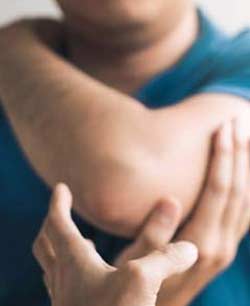


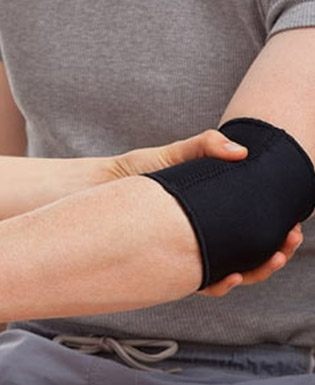


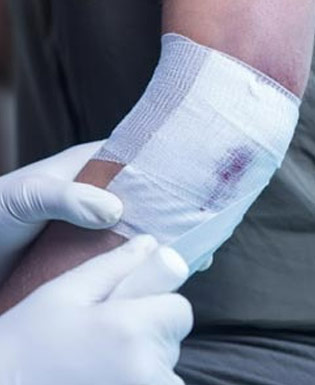
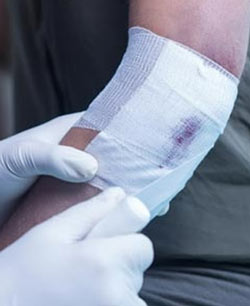
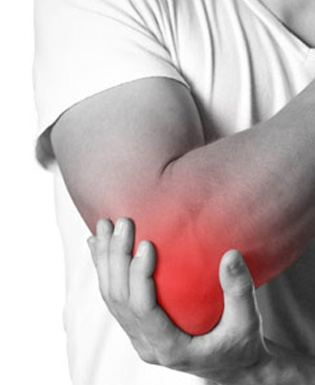
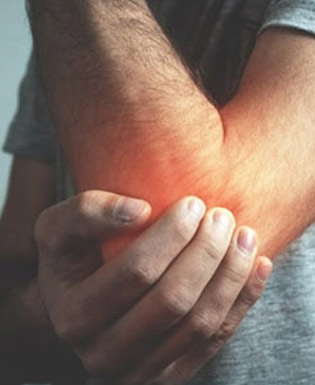
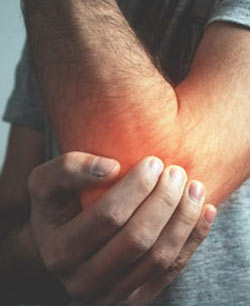


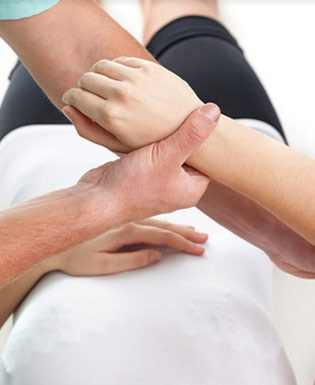






Table of Contents:
What Elbow injuries do you treat?
How do elbow injuries happen?
Can I prevent elbow injuries?
What are my treatment options for elbow injuries?
It is possible to sustain elbow injuries in a variety of ways. Some can cause sharp, radiating pain along your arm and hand, as if you hit your funny bone. It is common for other injuries to cause joint stiffness and a dull, constant ache.
You may find it difficult to perform your work or enjoy your favorite recreational activities if you suffer an elbow injury. It is very common for people to suffer elbow injuries from repeated motions that irritate their tendons and connective tissue over time.
Whether it’s an elbow injury due to overuse or repetitive motion with work or recreation, or conditions like fractures, dislocations, or osteoarthritis, our team can diagnose and treat it. After reviewing your symptoms, we recommend a treatment plan based on the results of a comprehensive exam.
Repetitive strain from sports injuries or other forms of overuse is the most common cause of elbow injuries. Repeating an activity over and over again, without allowing the body to heal between sessions, results in repetitive strain injuries. As the joints or muscles involved in the activity are overused, they may become inflamed or aggravated. A gradual onset of symptoms such as pain, swelling, stiffness, or weakness may occur over time.
Athletes who throw overhand with significant force and speed (such as baseball pitchers or football players) are most likely to experience elbow injuries. You’re more likely to suffer a sports injury or repetitive strain injury if you work in an office or are mostly sedentary during the week. When muscles, ligaments, and tendons aren’t used to daily movement, they can become tight and more likely to tear.
By warming up and stretching out your muscles and joints, you can reduce your risk of injury and prevent nagging aches and pains. If you are starting a new sport or exercise routine, this is especially important, but anyone who wants to prevent elbow pain should do it as well.
It’s important to rest those muscles in between workouts so that they don’t become too weak and overworked. Working out regularly can help strengthen your muscles and prevent injuries. Health experts also recommend taking breaks from strenuous exercises such as running or weightlifting if you’re feeling sore.
The importance of sleep for the health of your muscles and joints cannot be overstated. Our bodies can’t repair themselves as easily when we don’t sleep well, so until we get enough rest, they won’t perform at their best. Eat plenty of fruits, vegetables, whole grains, and lean proteins to maintain a healthy diet. It is essential for your body to have access to these nutrients in order to function properly. Inflammation can even be reduced by some foods such as ginger and turmeric.
The treatment options for elbow injuries are as varied in nature as the injuries are themselves. By choosing to seek elbow injury treatment with the specialists at the Reconstructive Orthopedic Center of Houston you are sure to receive the optimal treatment tailored to your specific condition.
Physical therapy is one of the most common treatments for joint injuries and pain. The goal of physical therapy is to build strength and flexibility in the injured area through guided stretches, exercises, and movements. During recovery from an injury, physical therapy can help prevent muscle loss, and it may even reduce your risk of future injuries.
We recommend physical therapy in conjunction with other treatments for many patients to return to daily activities quickly and safely. Depending on the cause of the injury, injections and/or medication may be recommended as part of a treatment plan. In cases where noninvasive options are unavailable to solve the issue, surgery is also an option for elbow injuries.
Elbow injury treatment specialists are available at the Reconstructive Orthopedic Center of Houston. For more information, contact us today or schedule an appointment online. We are conveniently located at 1200 Binz St, Suite 100, Houston, TX 77004. We serve patients from Houston TX, Midtown TX, Montrose TX, MacGregor TX, South Central Houston TX, Old Braeswood TX, and surrounding areas.


Additional Services You May Need
- Injuries
- Orthopedic Surgery
- Same-Day Surgery
- Sports Medicine
- On-call 24 Hours
- Walk-in Patients
- Hands
- Wrist
- Shoulder Surgery
- Foot & Ankle
- Knee
- Physical Therapy
- Occupation Therapy
- Formal Hand Therapy
- Drug Testing
- Tetanus Shots
- Evaluation
- Casting
- Minor Laceration
- Splinting
- Workers’ Comp Clinic
- Elbow Surgery
- Orthopedic Injury
- Shoulder Injury
- Trauma Care
- Elbow Injury


 Send Text
 How May I Help You?